
Oil and Gas
Find the early warning signs in your well, pump, compressor, pipeline, and process data before they become downtime, lost production, or another unanswered shift handoff. Grayson TimeSeries Lite runs deterministic analysis inside Microsoft Copilot and explains what is changing in plain English.
No new subscription. Runs on your existing Microsoft 365 Copilot license.


Use Cases
The warning signs are already in your oil and gas data
Oil and gas teams are surrounded by historian data, but the people closest to the problem often do not have time to manually trend every pump, compressor, exchanger, and pipeline signal. Early warning signs get buried in CSV exports, dashboards, shift notes, and alarm noise.
Grayson TimeSeries Lite helps engineers and operators ask direct questions of that data and get evidence-based answers backed by deterministic models.
The cost: A failed downhole pump means a workover rig and deferred production.
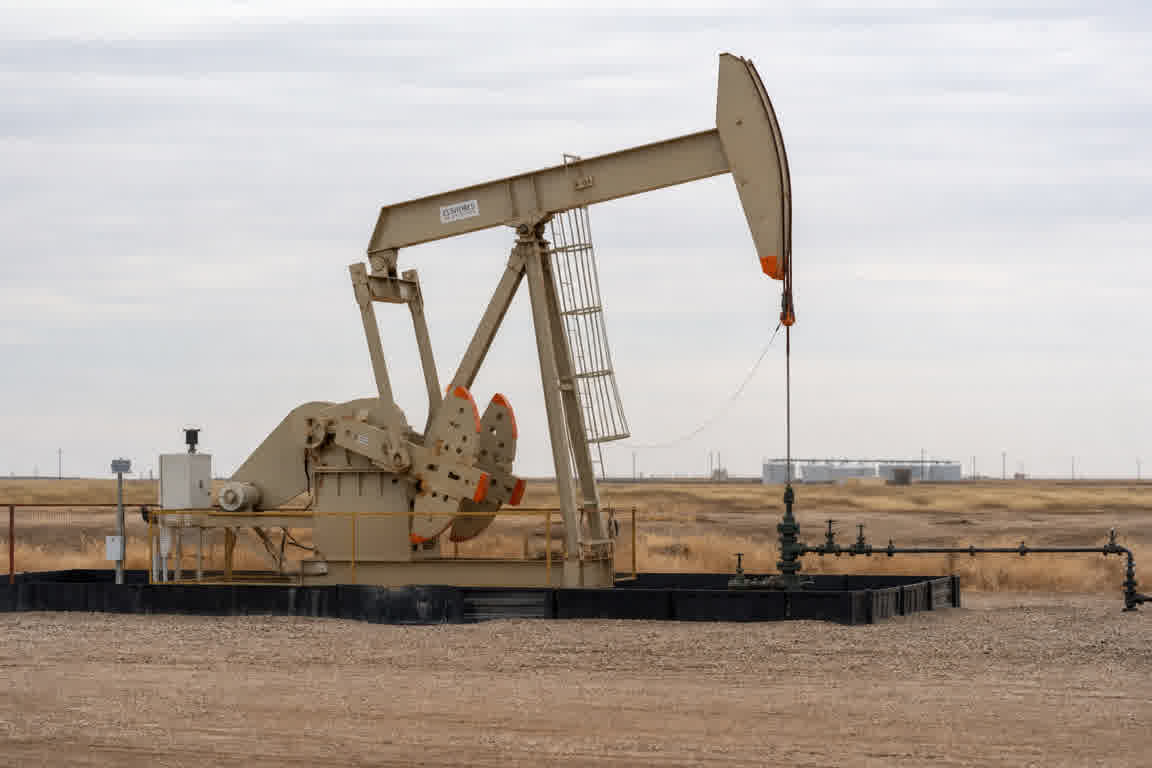
What Grayson does: Tracks load and motor current variance, intake pressure trends, and cycle patterns across the well set, and surfaces the developing signature of pump wear, gas interference, or fluid pound.
Ask Grayson: "Here's the last 30 days of load and intake pressure for Well 14. Is the variance trending consistent with pump degradation or gas interference?"
Outcome: Help the operator prove whether “this well doesn’t look right” is backed by load, current, intake pressure, and cycle-pattern data analysis.
The cost: Valve failure is a leading cause of unplanned reciprocating compressor downtime in lost throughput, parts, and emergency labor.
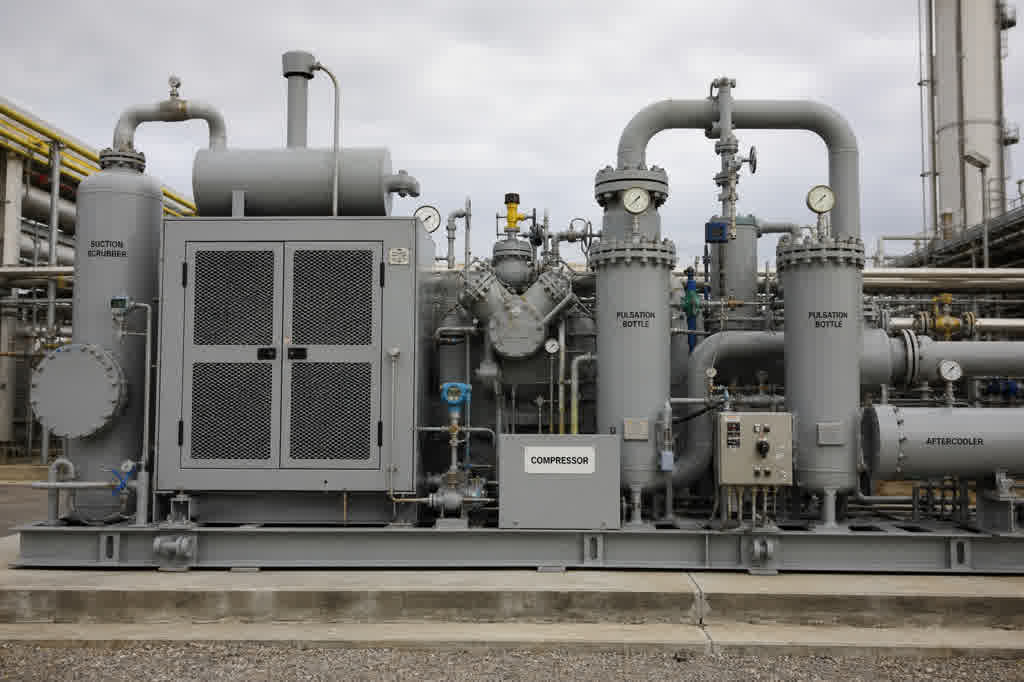
What Grayson does: Tracks suction and discharge pressure variance, rod load patterns, and cylinder pressure profiles, and surfaces the developing signature of valve leakage and seat wear in the data.
Ask Grayson: "Here's two weeks of suction and discharge pressure for Compressor 3. Is the pressure variance showing a pattern consistent with valve degradation?"
Outcome: Help the engineer confirm whether pressure variance and cylinder-pattern changes match the signature of early valve degradation.
The cost: Fouling quietly taxes energy and throughput long before it forces an outage. An unplanned exchanger cleaning forces downtime and additional labor, plus the efficiency losses accumulated in the run-up.
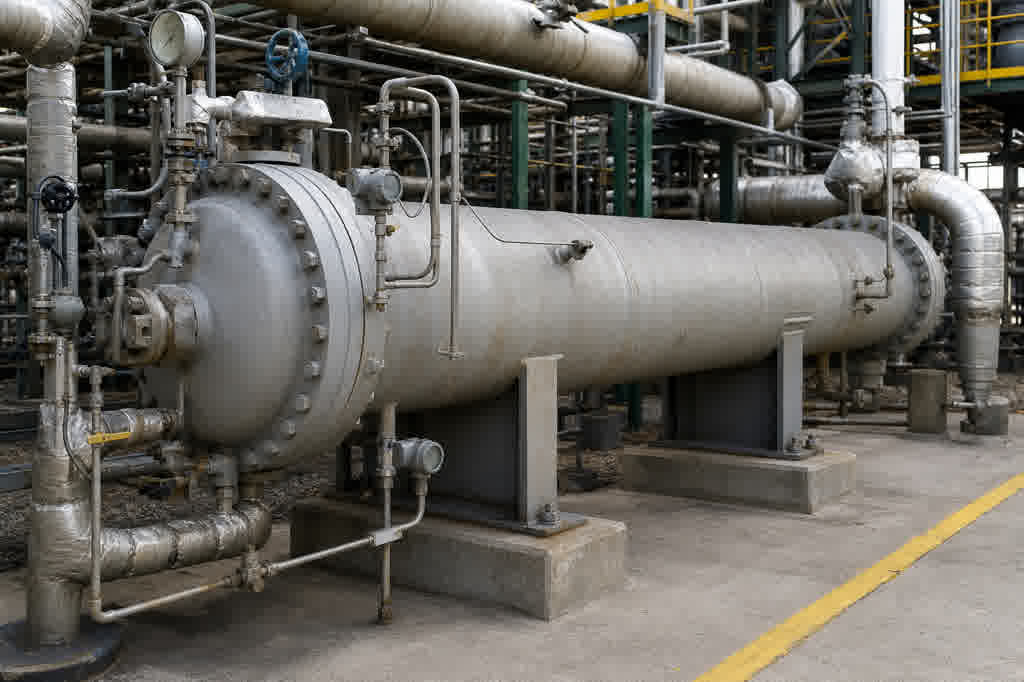
What Grayson does: Correlates differential pressure, inlet and outlet temperature approach, and flow to show the fouling rate and when performance began departing from the clean baseline.
Ask Grayson: "Compare the temperature approach and differential pressure on exchanger E-201 over the last quarter. When did the fouling trend accelerate?"
Outcome: Help the team verify whether rising differential pressure and changing temperature approach point to fouling, not just normal process variation.
How it works
How It Works
The Agentic Advantage
Agents expand your capacity.
A force multiplier for the engineer: your shift, your call, more answers in your hands..
FAQ
Answers to help you get started faster.
Real stories from teams who streamlined their workflow and delivered more with less.