
Battery Manufacturing

Self-Service Historical Time Series Analytics for Battery Manufacturing

Compare dry-room dew-point recovery, electrolyte-fill vacuum-cycle profiles, and formation-channel feature drift without another manual analysis queue. Grayson TimeSeries helps manufacturing, facilities, equipment, and process teams investigate prepared historical data inside Microsoft Teams.

Get answers, quickly, by chatting with your industrial process data inside Microsoft Teams.

Self-service industrial time series analytics

Ask Your Data. Get Answers Now. In Teams.

Get fast, trustworthy answers from your industrial process data through conversation - no new dashboards, no coding, and no waiting for someone else.

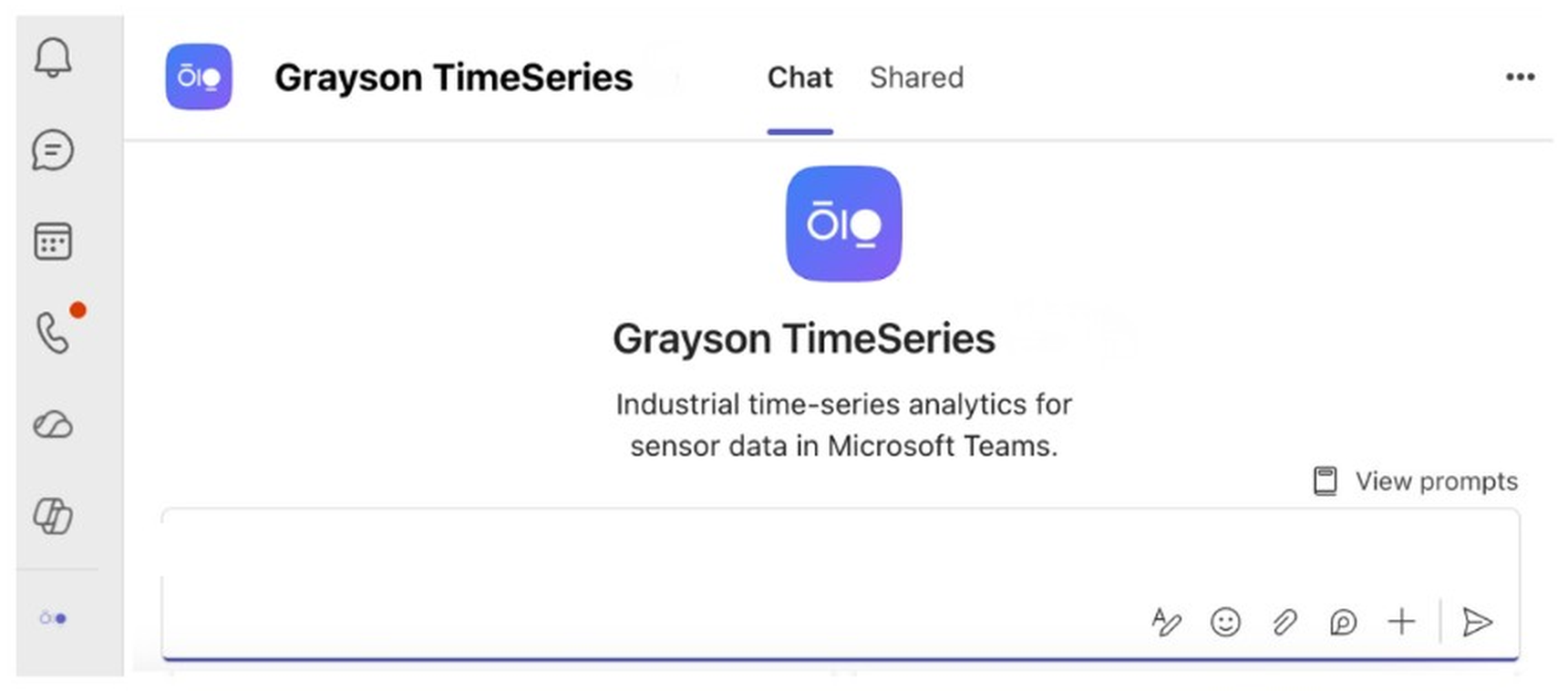
Grayson TimeSeries welcome screen in Microsoft Teams
Use Cases

The answers are already in your historical process data

Battery plants generate environmental data, vacuum and dosing cycles, channel summaries, genealogy, maintenance context, and quality records. High-frequency traces and large continuous exports should be converted into selected windows or cycle-level features before a lightweight file-based investigation.

Grayson TimeSeries helps the people closest to the problem ask direct questions of one prepared CSV or Excel file and receive evidence-based answers backed by deterministic, reproducible analysis.

Dry-Room Dew-Point Excursion and Recovery

Why it is hard: Dew-point response depends on outdoor and process moisture loads, door duration, occupancy, airflow, controls, instruments, maintenance, and room configuration. Room dew point does not directly measure moisture in product materials.

What Grayson analyzes: A prepared six-day file with return and supply dew point, airlock state, rotor-speed command, event IDs, event timing, and prepared comparison periods.

Ask Grayson: “Compare early and late door events. How do peak return dew point and recorded recovery duration change while supply dew point remains comparable?”

Outcome: Help facilities teams focus review on specific events, sensors, doors, dehumidification, airflow, operations, and maintenance records.
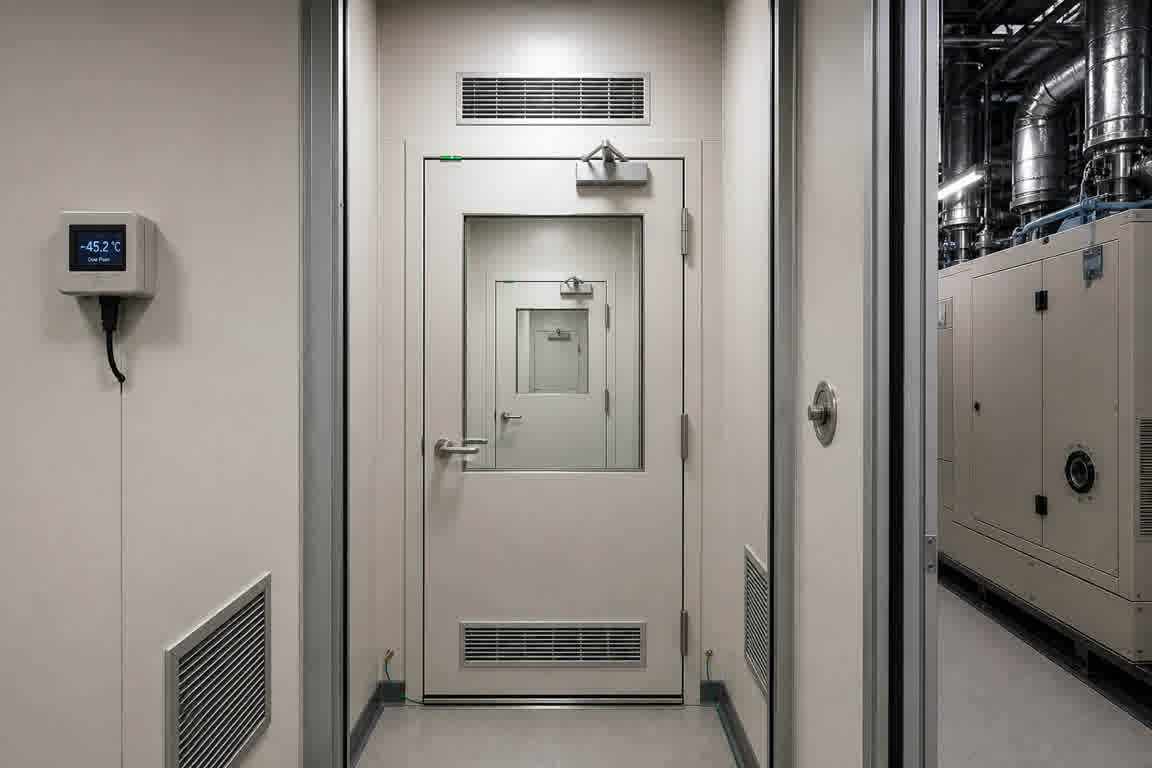
Battery manufacturing dry-room airlock and electrode area

Electrolyte-Fill Vacuum-Cycle Profile Comparison

Why it is hard: Vacuum and dosing traces depend on cycle step, chamber volume, valves, pumps, sensors, recipe, cell format, equipment state, and preparation method. A slower pump-down does not prove a leak or determine electrolyte wetting.

What Grayson analyzes: Prepared event-aligned cycle windows with cycle ID, elapsed seconds, step, chamber pressure in kPa absolute, dosing command, cumulative delivered mass, prepared target pressure, cell format, and cycle group.

Ask Grayson: “Overlay all 120 cycle windows and compare early with late cycles. Where does the pressure trajectory begin to separate, and which other recorded fields remain stable?”

Outcome: Give equipment and process teams a qualified list of cycles for reviewing records, valves, seals, pumps, sensors, recipes, and maintenance.

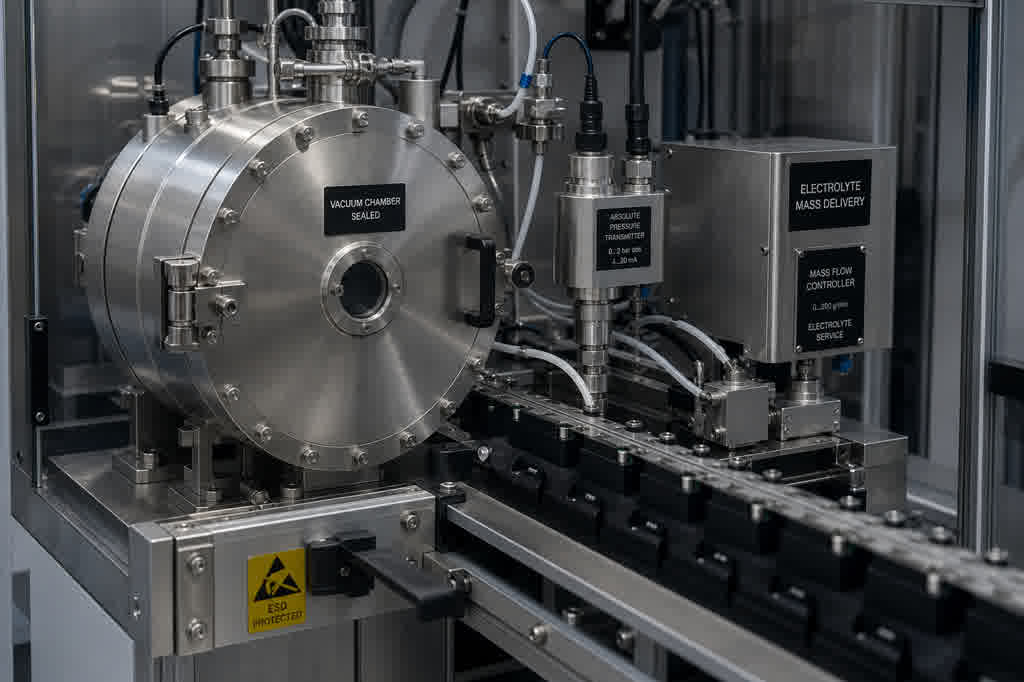
Enclosed battery electrolyte-fill vacuum station

Formation-Channel Feature Drift

Why it is hard: Formation features vary with cell lot, recipe, channel, contact, cooling, sensors, environment, and feature definitions. A channel trend does not identify physical cause or establish cell quality.

What Grayson analyzes: One prepared row per channel and cycle containing cycle end, channel, cell lot, day, maximum temperature, end voltage, charge capacity, ambient temperature, recipe, and maintenance markers.

Ask Grayson: “Compare feature trends by channel after grouping by lot. Which channel departs most consistently from the recent cross-channel pattern?”

Outcome: Help formation and equipment teams select channels, lots, and time periods for qualified review and physical checks.

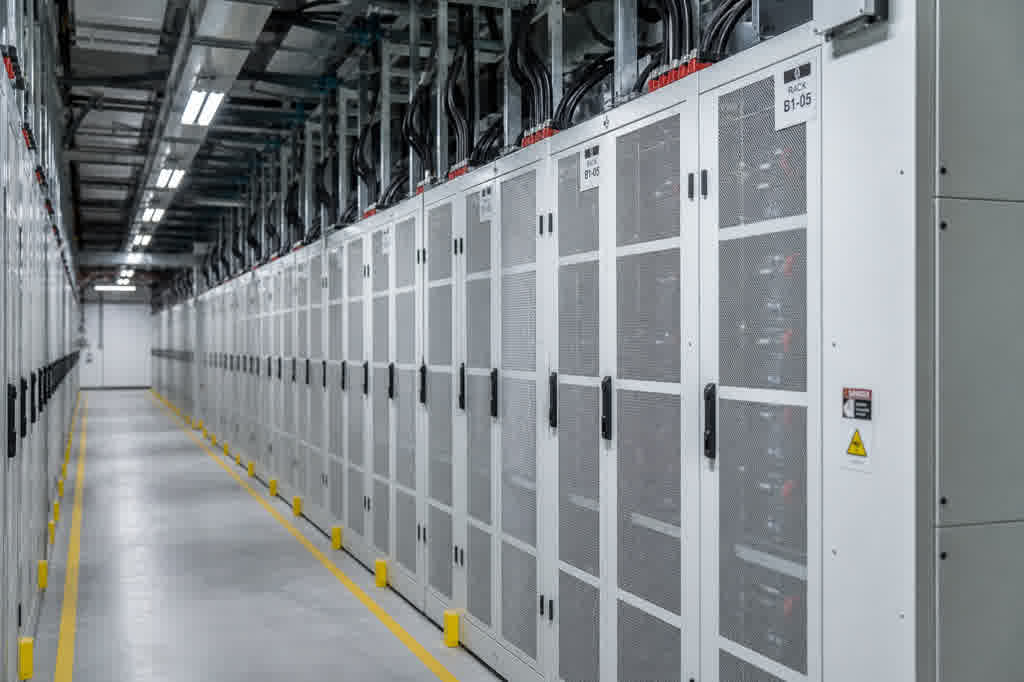
Battery formation cycling racks in a manufacturing room

Grayson TimeSeries

Grayson TimeSeries is a Microsoft Teams app that lets engineers and operators individually chat with their industrial process data for quick insights with a deterministic and auditable AI agent.

MICROSOFT COPILOT

Powered by Microsoft Copilot and available in Teams, making it easy to use within your Microsoft 365 ecosystem.

PROCESS DATA ANALYTICS

Grayson TimeSeries prepares and validates your process data automatically, detects anomalies, makes forecasts and establishes correlations.

FAQ

Answers to help you get started faster.

Real stories from teams who streamlined their workflow and delivered more with less.

What dry-room, electrolyte-fill, and formation data can Grayson analyze?

Grayson TimeSeries analyzes one prepared CSV or Excel file from battery manufacturing history. Typical uploads include dry-room return and supply dew point with airlock state, rotor-speed command, and door-event timing; electrolyte-fill vacuum-cycle windows with chamber pressure, dosing command, delivered mass, cell format, and cycle group; and formation rows with channel, cell lot, recipe, maximum temperature, end voltage, charge capacity, ambient temperature, and maintenance markers.

Can Grayson compare dry-room recovery after door events?

Yes. With a prepared event file, Grayson can compare peak return dew point and recorded recovery duration across early and late door events while supply dew point remains comparable. Facilities teams can use that comparison to focus review on specific events, sensors, doors, dehumidification, airflow, operations, and maintenance records. Room dew point does not directly measure moisture in product materials.
Can Grayson compare electrolyte-fill vacuum profiles across cycles?

Yes. Grayson can overlay prepared event-aligned cycle windows and compare chamber-pressure trajectories, dosing command, and delivered mass across early and late cycles or cycle groups. That surfaces a qualified list of cycles for reviewing records, valves, seals, pumps, sensors, recipes, and maintenance. A slower pump-down alone does not establish a leak or electrolyte wetting.

Can Grayson show formation-channel drift after grouping by lot and recipe?

Yes. With one prepared row per channel and cycle, Grayson can group by lot and recipe, then compare feature trends such as maximum temperature, end voltage, and charge capacity across channels. That ranks which channel departs most consistently from the recent cross-channel pattern so formation and equipment teams can select channels, lots, and time periods for qualified review.

How should high-frequency battery manufacturing data be summarized for upload?

Convert high-rate traces and large continuous exports into selected windows or cycle-level features before upload, then combine them into one flat CSV or Excel file with units, step labels, event IDs, lot and recipe context, and maintenance markers. Direct historian access usually starts as a CSV or XLSX export; a managed AVEVA or historian connection needs IT.

Which equipment, cell-quality, and safety conclusions require qualified review?

Physical cause of vacuum or dehumidifier behavior, electrolyte wetting, electrochemical performance, cell safety, and product disposition require equipment knowledge, inspection, calibration, maintenance evidence, and approved methods. Grayson compares prepared environmental and equipment records; those quality and safety decisions remain with qualified review.