
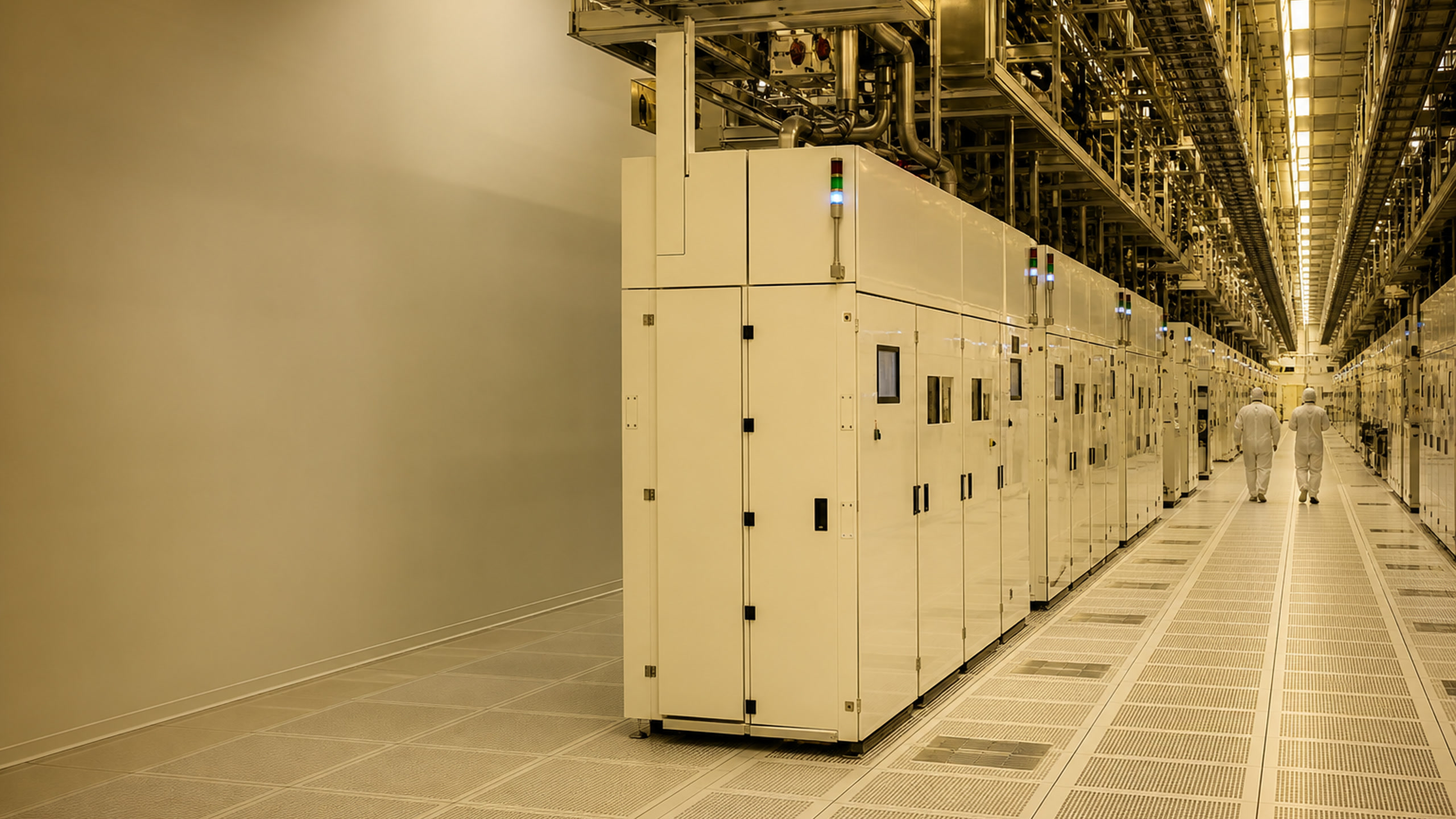
Semiconductor Manufacturing

Self-Service Historical Time Series Analytics for Semiconductor Manufacturing

Compare vacuum recovery summaries, multi-chamber controller-reported thermal behavior, and fab UPW stability without another specialist query or one-off spreadsheet. Grayson TimeSeries helps equipment, process-module, and facilities engineers investigate prepared historical flat files inside Microsoft Teams.

Get answers, quickly, by chatting with your industrial process data inside Microsoft Teams.

Self-service industrial time series analytics

Ask Your Data. Get Answers Now. In Teams.

Get fast, trustworthy answers from your industrial process data through conversation - no new dashboards, no coding, and no waiting for someone else.

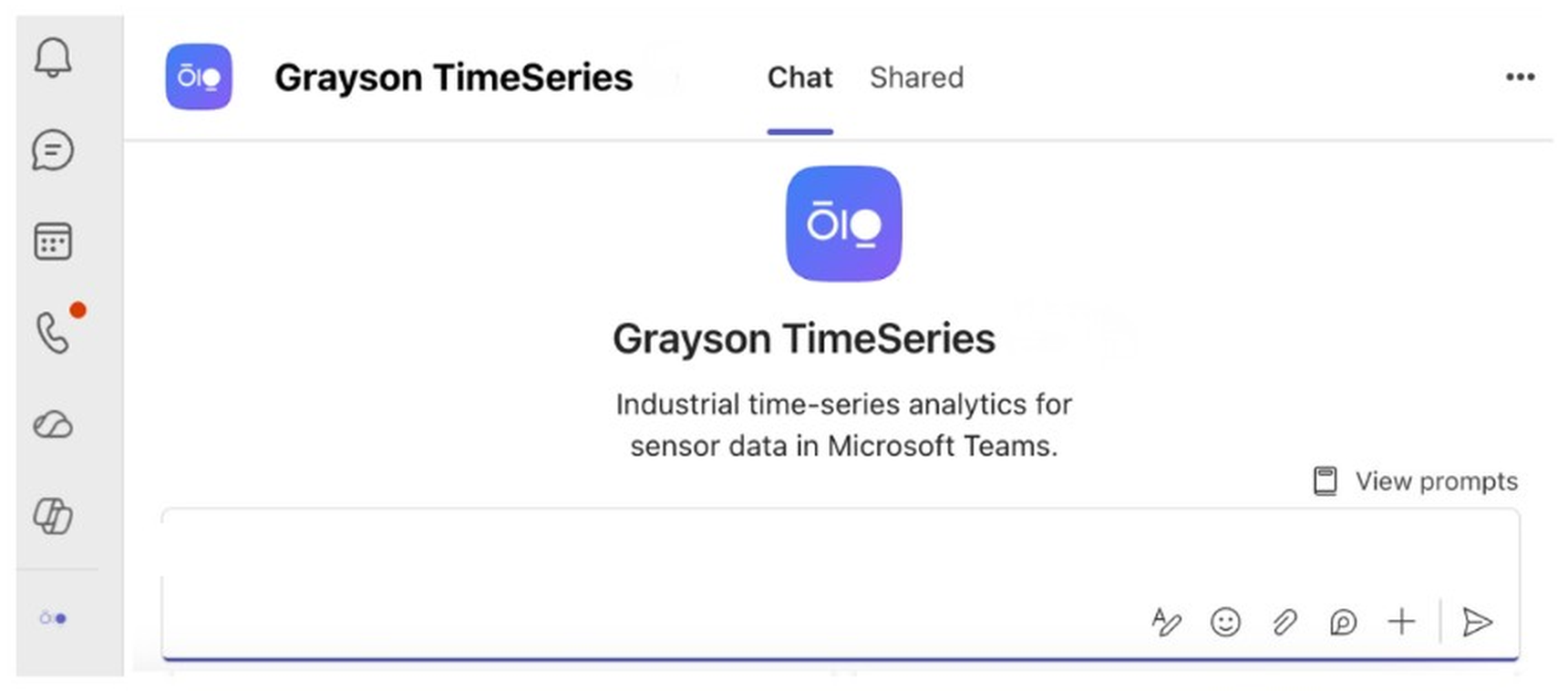
Grayson TimeSeries welcome screen in Microsoft Teams
Use Cases

The answers are already in your historical process data

Semiconductor tools and facility systems generate high-frequency traces, cycle summaries, state data, chamber context, maintenance markers, and utility measurements. For a lightweight file-based workflow, high-rate signals must be summarized to the cycle, wafer, step, or selected window before upload.

Grayson TimeSeries helps the people closest to the problem ask direct questions of one prepared CSV or Excel file and receive evidence-based answers backed by deterministic, reproducible analysis.

Etch Chamber Vacuum Pump-Down Summary and Recovery

Why it is hard: Vacuum recovery depends on chamber state, recipe, maintenance, seals, pumps, valves, sensors, and prepared feature definitions. A cycle-level shift does not diagnose a leak or pump failure.

What Grayson analyzes: One prepared row per cycle containing tool and chamber ID, cycle index, cycle-end time, pump-down duration, base pressure, crossover pressure, operating state, wafers since maintenance, and a maintenance marker.

Ask Grayson: “Compare LL1 and LL2 before and after the maintenance event. Which cycle summary changes, and what recovery pattern is visible?”

Outcome: Help equipment engineers prioritize trace review, instrumentation checks, chamber inspection, valve and seal review, and maintenance reconciliation.
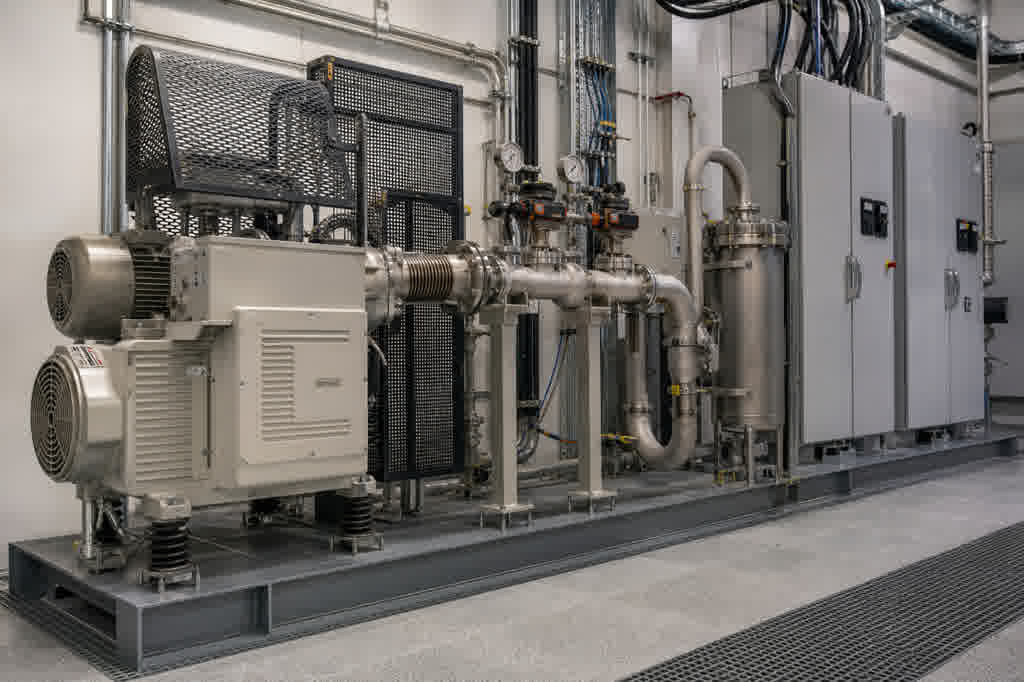
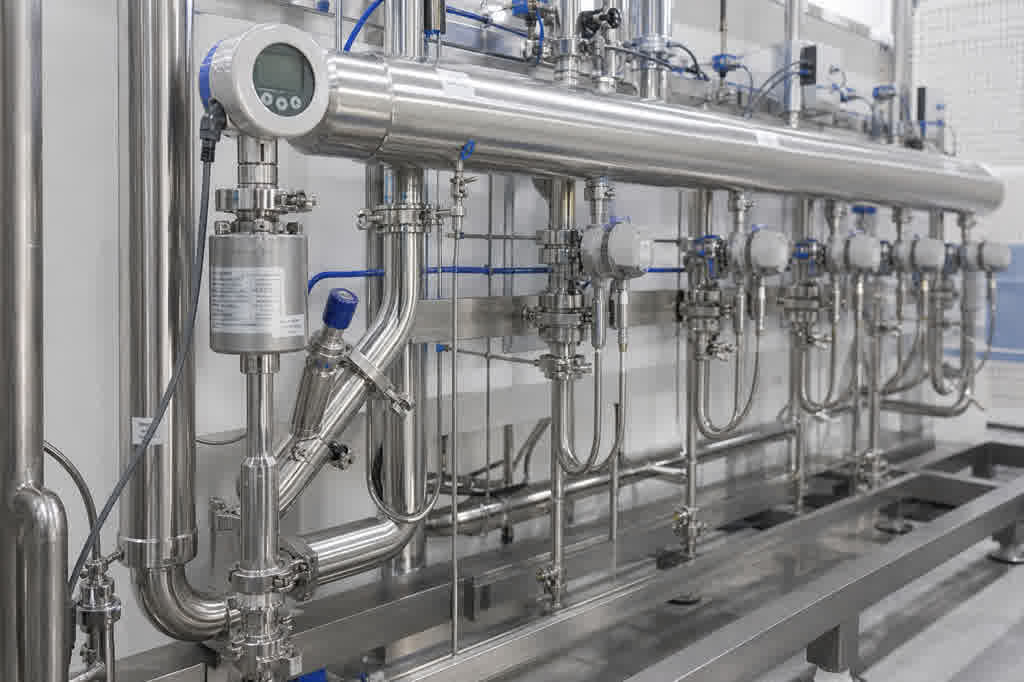
Semiconductor sub-fab vacuum load-lock and pump-down equipment

Multi-Chamber Controller-Reported ESC Temperature Comparison

Why it is hard: Controller values may be setpoints, estimates, embedded sensor readings, or conditioned signals rather than direct wafer or chuck-surface measurements. Recipe, helium, RF, chamber state, maintenance, and sensor configuration affect comparison.

What Grayson analyzes: Prepared wafer- or step-level rows with tool, chamber, lot, wafer, recipe step, controller-reported inner and outer temperature, prepared zone delta, helium back pressure, RF power, and maintenance context.

Ask Grayson: “Compare PM1 through PM4 for the same recipe step. Which chamber shows a persistent shift in controller-reported zone delta after the selected maintenance period?”

Outcome: Give equipment and process engineers a chamber and time window for qualified tool review.

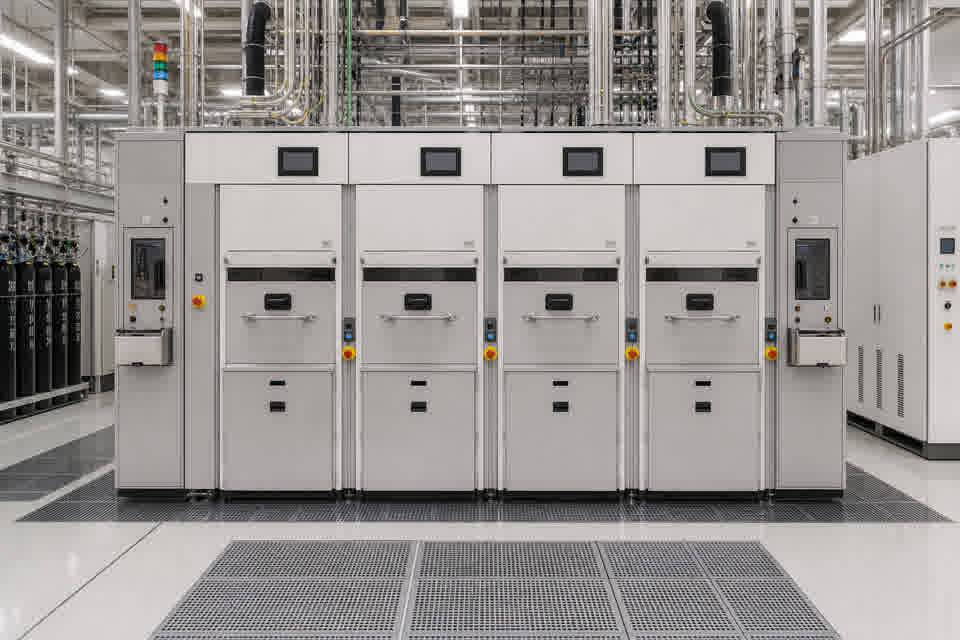
Closed semiconductor etch tool process modules for ESC chamber matching

Fab UPW Resistivity and Temperature Stability

Why it is hard: Resistivity depends on temperature, measurement configuration, sensor condition, water chemistry, operating state, and sample location. Historical measurements alone do not certify water quality or identify contaminants.

What Grayson analyzes: A prepared utility file with timestamp, loop ID, raw and documented temperature-compensated resistivity, supply temperature, return pressure, operating state, maintenance context, user-supplied reference, and prepared excursion flag.

Ask Grayson: “Compare raw and compensated resistivity across the six-day period. Which excursions persist after temperature compensation, and what operating context is present?”

Outcome: Separate temperature-related resistivity movement from persistent excursions, then give the facilities team a focused event list for instrumentation, treatment-system, sampling, and operating-record review.

Fab ultrapure water distribution loop with resistivity instrumentation

Grayson TimeSeries

Grayson TimeSeries is a Microsoft Teams app that lets engineers and operators individually chat with their industrial process data for quick insights with a deterministic and auditable AI agent.

MICROSOFT COPILOT

Powered by Microsoft Copilot and available in Teams, making it easy to use within your Microsoft 365 ecosystem.

PROCESS DATA ANALYTICS

Grayson TimeSeries prepares and validates your process data automatically, detects anomalies, makes forecasts and establishes correlations.

FAQ

Answers to help you get started faster.

Real stories from teams who streamlined their workflow and delivered more with less.

What fab tool and facilities data can Grayson analyze?

Grayson TimeSeries analyzes one prepared CSV or Excel file of fab equipment and facilities history. Typical uploads include etch vacuum-cycle summaries with tool and chamber IDs, pump-down duration, base and crossover pressure, wafers since maintenance, and maintenance markers; wafer- or step-level controller-reported ESC temperatures with recipe and helium context; and UPW loop records with raw and temperature-compensated resistivity, supply temperature, return pressure, and operating state.

How should high-frequency chamber traces be summarized before upload?

Summarize or select the cycle, wafer, step, or event window outside Grayson, then combine signals into one flat file. Include feature definitions, units, state labels, recipe context, and maintenance markers so chamber and period comparisons stay aligned. Direct historian access usually starts as a CSV or XLSX export; a managed AVEVA or historian connection needs IT.

Can Grayson compare vacuum pump-down recovery by chamber and maintenance event?

Yes. With one prepared row per cycle, Grayson can compare pump-down duration, base pressure, crossover pressure, and recovery pattern across chambers and before versus after a maintenance marker. Equipment engineers can use that comparison to prioritize trace review, instrumentation checks, chamber inspection, valve and seal review, and maintenance reconciliation. A cycle-level shift alone does not establish a leak or pump failure.
Can Grayson compare controller-reported ESC temperature behavior across chambers?

Yes. Grayson can compare prepared wafer- or step-level controller-reported inner and outer temperatures and zone delta across chambers for the same recipe step, with helium back pressure, RF power, and maintenance context. That surfaces chambers and time windows for qualified tool review. Controller values may be setpoints, estimates, or conditioned signals rather than direct wafer measurements, so process and yield impact still need tool and metrology evidence.

How can Grayson investigate UPW resistivity and temperature stability?

Upload a prepared utility file with timestamp, loop ID, raw and documented temperature-compensated resistivity, supply temperature, return pressure, operating state, and excursion flags. Grayson can compare raw versus compensated resistivity, surface excursions that persist after temperature compensation, and group them with operating context so facilities teams get a focused event list for instrumentation and treatment-system review.

Which conclusions still require metrology, process, yield, or compliance evidence?

Wafer temperature, process impact, defect causation, water-quality certification, SEMI F63 applicability, sampling and calibration status, and any compliance or yield decision remain with the facility’s qualified review. Grayson surfaces recorded patterns and differences in prepared historical files; it does not replace tool, metrology, process, yield, or approved UPW procedures.