Pharmaceutical & Life Sciences Manufacturing

Exploratory Historical Time Series Analytics for Pharmaceutical Manufacturing

Compare lyophilizer pressure and thermal profiles, WFI-loop operating patterns, and cleanroom differential-pressure recovery inside Microsoft Teams. Grayson TimeSeries supports non-validated engineering investigation of prepared historical data using deterministic and auditable methods.

Get answers, quickly, by chatting with your industrial process data inside Microsoft Teams.

Self-service industrial time series analytics

Ask Your Data. Get Answers Now. In Teams.

Get fast, trustworthy answers from your industrial process data through conversation - no new dashboards, no coding, and no waiting for someone else.

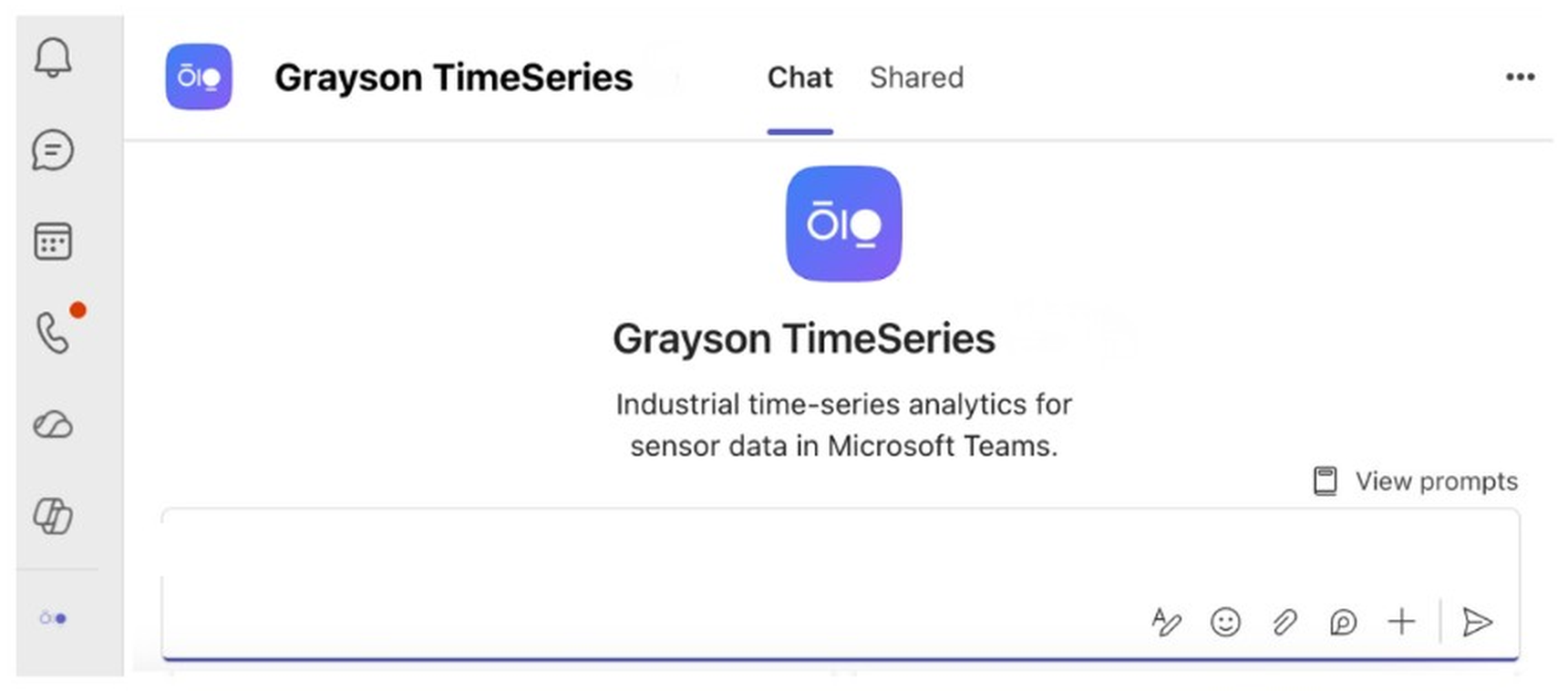
Grayson TimeSeries welcome screen in Microsoft Teams
Use Cases

The answers are already in your historical process data

Pharmaceutical facilities generate equipment histories, utility measurements, environmental controls, batch context, and alarm or event records. These signals can be valuable for engineering investigation when data lineage, intended use, and the boundary from validated decision-making are explicit.

Grayson TimeSeries helps the people closest to the problem ask direct questions of one prepared CSV or Excel file and receive evidence-based answers backed by deterministic, reproducible analysis.

Lyophilization Dual-Gauge Pressure-Ratio Convergence Comparison

Why it is hard: Gauge response reflects measurement principle, vapor composition, equipment operation, recipe, load, sensors, and thermal behavior. Ratio convergence can support comparison but is not a validated endpoint determination.

What Grayson analyzes: Prepared multi-batch data with phase labels, elapsed time, capacitance-manometer and Pirani pressure, shelf temperature, average product-probe temperature, condenser temperature, and prepared pressure ratio.

Ask Grayson: “During primary drying, compare the ratio and thermal trajectories across three batches. Where does Batch C depart from the other two, and how long does the difference persist?”

Outcome: Give process-development or equipment engineers a reproducible window for reviewing cycle records, instrumentation, load, shelf system, and approved methods. Drying endpoint and batch acceptability remain in approved methods.
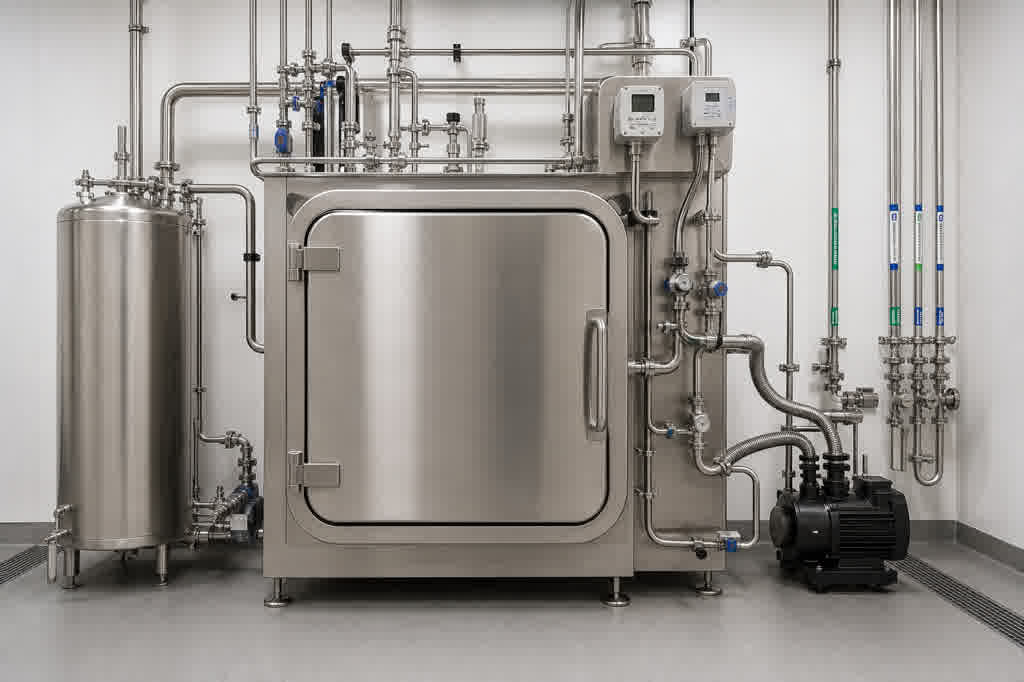
Closed pharmaceutical lyophilizer skid with vacuum and shelf connections

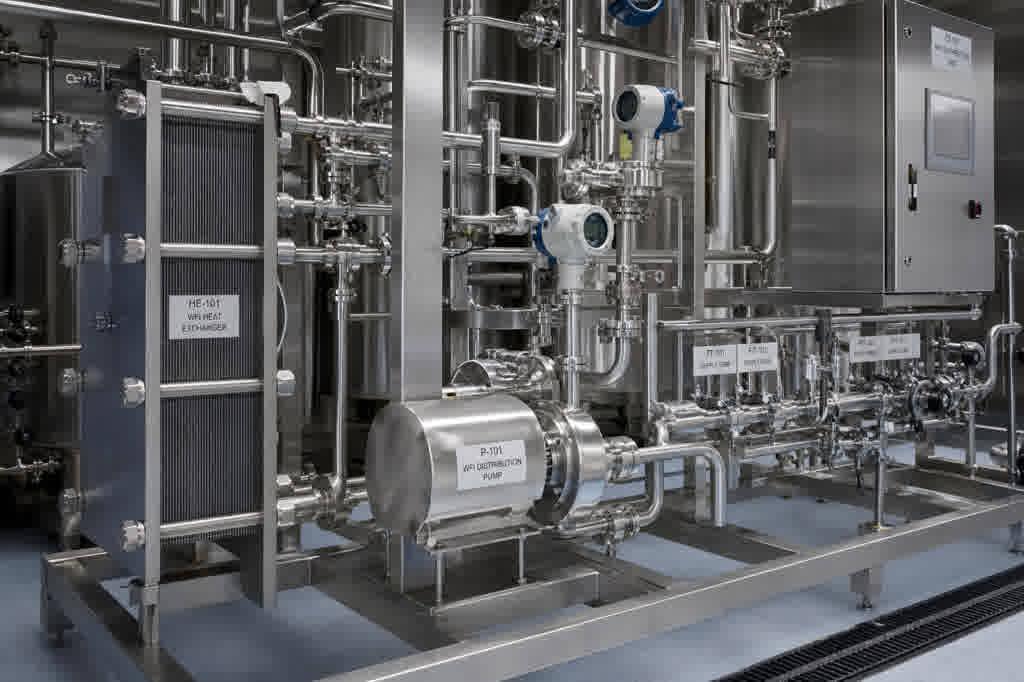
WFI Loop Temperature, Flow, and Conductivity Patterns

Why it is hard: Water-system signals vary with operating mode, use-point demand, temperature, flow, measurement configuration, sanitization, sampling, and instrumentation. Historical analytics cannot establish microbiological control or compendial compliance.

What Grayson analyzes: A prepared loop file with supply and return temperature, return flow or velocity, raw conductivity, documented prepared compensated conductivity, operating state, draw count, and event labels.

Ask Grayson: “Compare normal production with the selected high-draw event. Which recorded signal changes first, and what lag is visible between flow and return temperature?”

Outcome: Support engineering review of event timing, sensors, hydraulics, operating records, and approved water-system procedures without making a quality or compliance decision.

Pharmaceutical WFI distribution skid with sanitary stainless piping

Cleanroom Differential-Pressure Recovery After Door Events

Why it is hard: Door duration, adjacent spaces, control commands, sensor response, room use, equipment, and event definition all affect the measured recovery. Historical pressure response does not certify cleanroom classification.

What Grayson analyzes: Prepared event-aligned records with event ID, seconds from door close, room and airlock differential pressure, door state, supply and extract commands, shift, and a user-defined reference band where appropriate.

Ask Grayson: “Compare recovery trajectories by shift. Which events show delayed command response or longer time to return to the prepared reference band?”

Outcome: Give facilities and controls teams a focused event list for review under approved procedures. Grayson does not perform an ISO recovery test or certify room status.

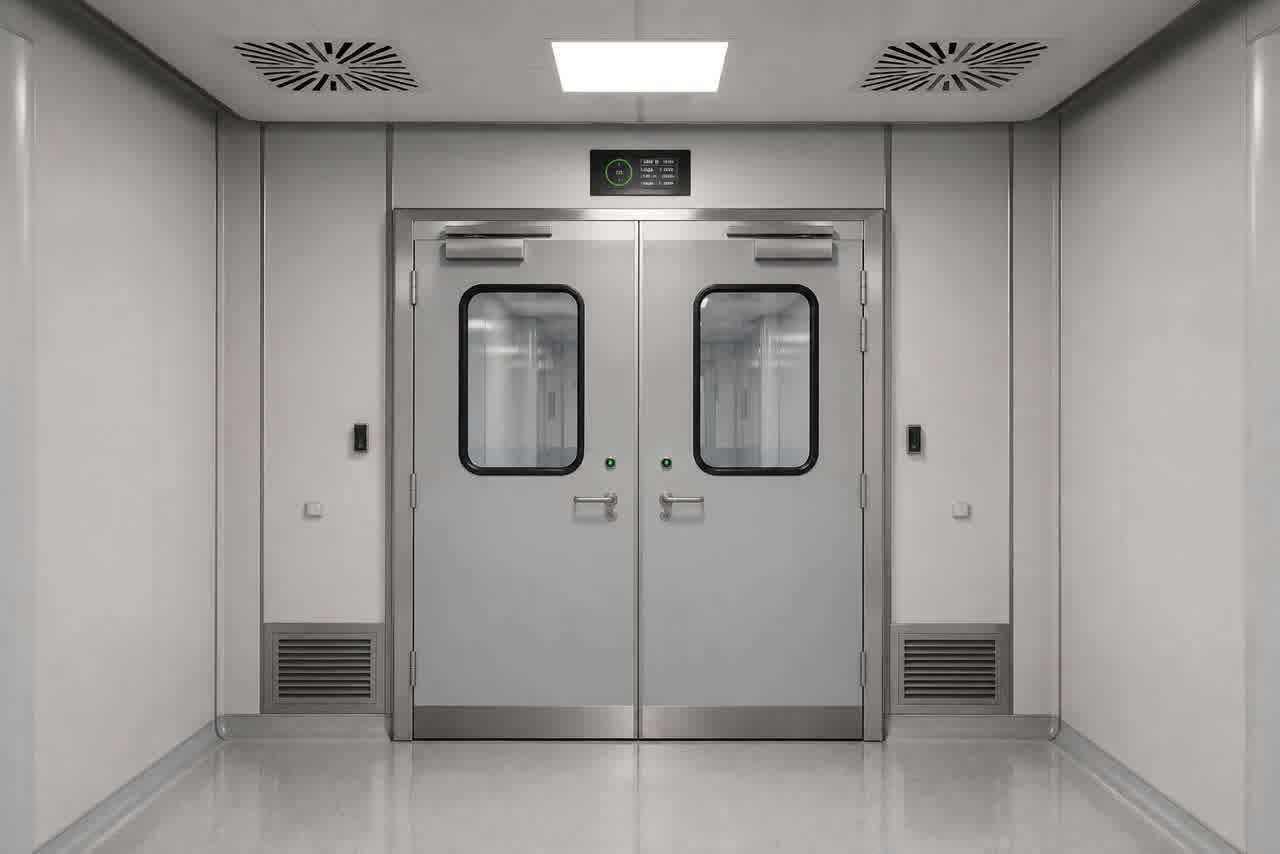
Pharmaceutical cleanroom airlock viewed from a technical corridor

Grayson TimeSeries

Grayson TimeSeries is a Microsoft Teams app that lets engineers and operators individually chat with their industrial process data for quick insights with a deterministic and auditable AI agent.

MICROSOFT COPILOT

Powered by Microsoft Copilot and available in Teams, making it easy to use within your Microsoft 365 ecosystem.

PROCESS DATA ANALYTICS

Grayson TimeSeries prepares and validates your process data automatically, detects anomalies, makes forecasts and establishes correlations.

FAQ

Answers to help you get started faster.

Real stories from teams who streamlined their workflow and delivered more with less.

What lyophilizer, WFI, and cleanroom data can Grayson analyze?

Grayson TimeSeries analyzes one prepared CSV or Excel file from pharmaceutical manufacturing history. Typical uploads include lyophilizer multi-batch records with dual-gauge pressures, shelf and product-probe temperatures, condenser temperature, and pressure ratio; WFI loop files with supply and return temperature, return flow, raw and compensated conductivity, operating state, and event labels; and cleanroom door-event records with differential pressure, door state, supply and extract commands, and shift context.

Can Grayson compare dual-gauge pressure and thermal profiles across lyophilizer batches?

Yes. With prepared multi-batch data, Grayson can compare capacitance-manometer and Pirani pressures, the prepared pressure ratio, and thermal trajectories during primary drying across batches. Process-development or equipment engineers get a reproducible window for reviewing cycle records, instrumentation, load, shelf system, and approved methods. Drying endpoint and batch acceptability remain in those approved methods.

Can Grayson compare WFI loop response during high-draw or sanitization events?

Yes. Grayson can compare supply and return temperature, return flow or velocity, and raw or compensated conductivity between normal production and selected high-draw or event-labeled periods, including which recorded signal changes first and what lag appears between flow and return temperature. That supports engineering review of event timing, sensors, hydraulics, and operating records. Microbiological control and compendial compliance remain outside this workflow.

Can Grayson measure cleanroom pressure recovery after door events?

Yes. With prepared event-aligned records, Grayson can compare room and airlock differential-pressure recovery trajectories by shift, quantify time to return to a user-defined reference band, and flag delayed supply or extract command response. Facilities and controls teams get a focused event list for review under approved procedures. This is not an ISO recovery test or room-status certification.

How does a file-based analysis fit alongside validated GxP systems?

Grayson TimeSeries supports exploratory engineering analysis of one prepared CSV or Excel export inside Microsoft Teams using deterministic, auditable methods. It sits beside validated systems when data lineage, intended use, and the boundary from validated decision-making are explicit. Suitability, validation, data governance, and intended use remain with the user organization. Direct historian access usually starts as a CSV or XLSX export; a managed AVEVA or historian connection needs IT.

Which quality, compliance, and batch decisions remain in approved procedures?

Primary-drying endpoint, batch acceptability, compendial water quality, microbiological control, cleanroom classification, validated recovery testing, and any quality or compliance disposition remain governed by approved procedures and qualified review. Grayson compares prepared historical measurements and user-defined reference fields for engineering investigation only.